
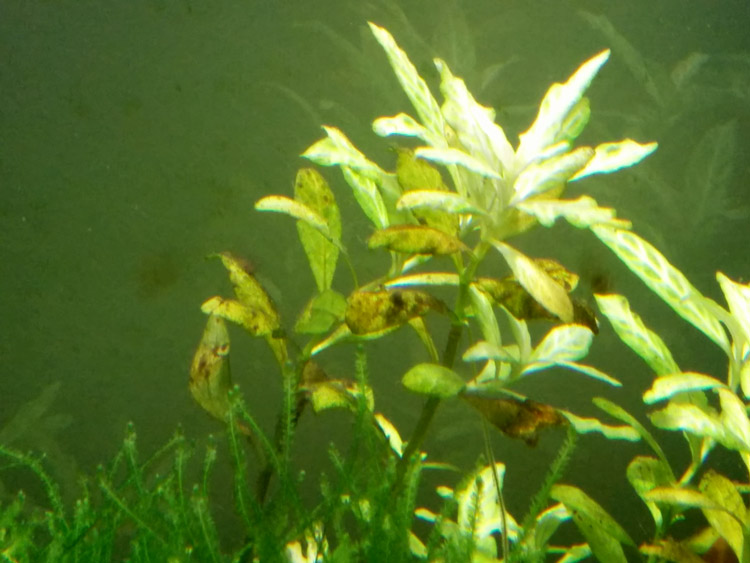
 Disease profileManganese deficiencyYellow leaves, but the ribs remain green.View
Plants
Aquarium Plants diseases
Quickly identify the most common diseases, compare symptoms and continue to a detailed profile.
15disease profiles for aquarium plants
Disease profileManganese deficiencyYellow leaves, but the ribs remain green.View Disease profileOligo-elements deficienciesLack of iron, the most important trace element causes chlorosis. Yellow leaves, friable and glassy, which end up falling.View
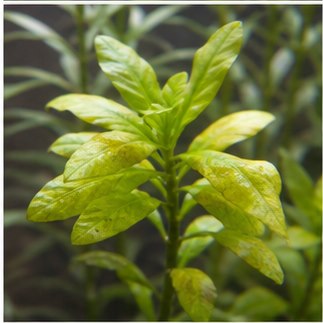 Disease profileInappropriate light colorThe plants grow in length if the lighting comes from a light from which the spectrum pulls too much towards the red. Their silhouette is low and bushy...View
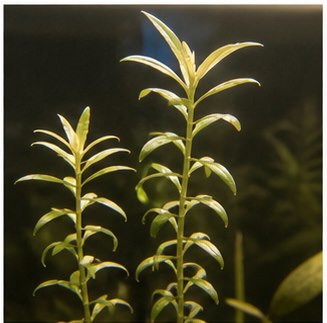 Disease profileInsufficient lightingThe plants are fragile and delicate, the green leaves pale or yellowish, the rods small. Rosette plants have small leaves on Maling Rods. The rod plan...View
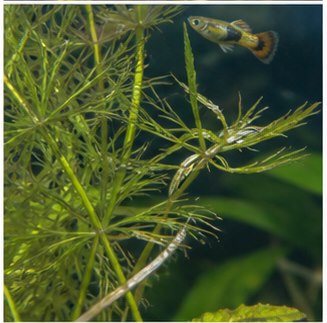 Disease profileExcess carbon dioxideThe fish come to capture the air on the surface (danger of asphyxiation, as during a poisoning with nitrates).View
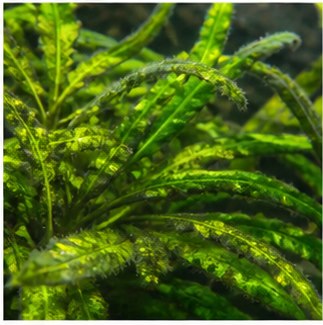 Disease profileExcess of nitratesProliferation of algae, especially if there is also an excess of phosphates.View
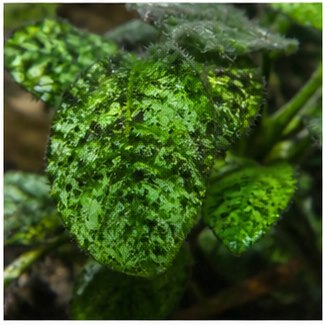 Disease profileExcess phosphatesBrown or black coloring of leaves due to the formation of ferrous phosphates. Iron deficiencies. If there is also an excess of nitrates, explosive pro...View
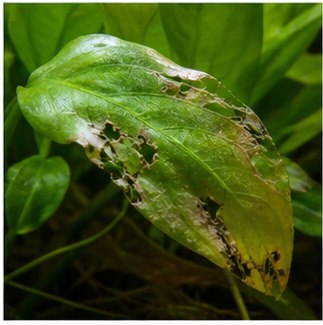 Disease profileLeaves attacked by chemicalsProducts against algae, drugs for fish and poisons against snails can damage the leaves in multiple ways. The different species have variable sensitiv...View
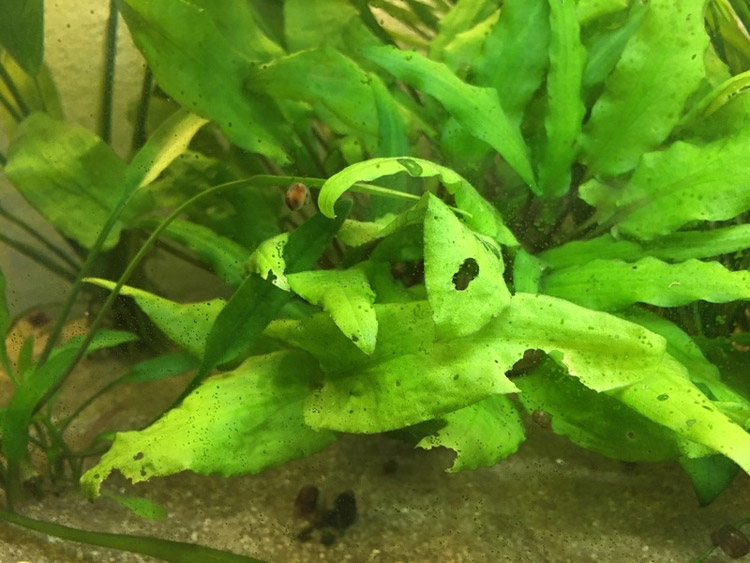 Disease profileDisease or rot of cryptocorynesSmall holes in the limb or around the leaves (as if they had been nibbled by snails or fish); Then the plant, or the whole group, decomposes.View
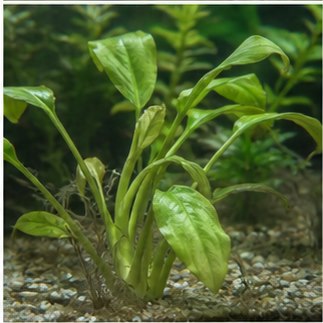 Disease profileOxygenFish develop all kinds of diseases. If oxygen is missing too long, plants are stretching, algae proliferate. Water is excessively loaded with waste an...View
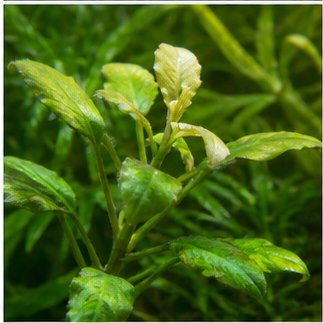 Disease profileLack of carbon dioxideThe plants remain small and grow more slowly. Roaring deposits appear on the leaves (biogenic decalcification).View
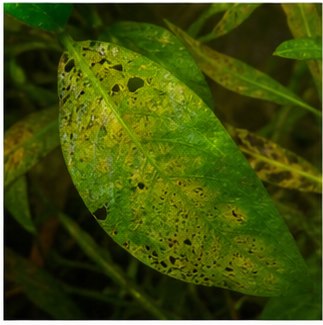 Disease profilePotassiumThe edge of young leaves yellows, chlorosis.View
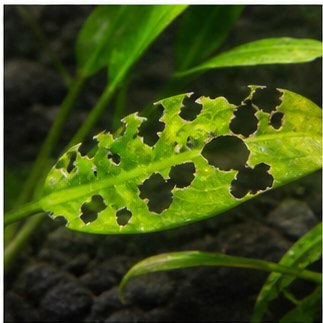 Disease profileFish and snailsThey are relatively little attack the leaves and stems. The fish eat the young shoots, the tip and the edge of the leaves, especially if they are fine...View
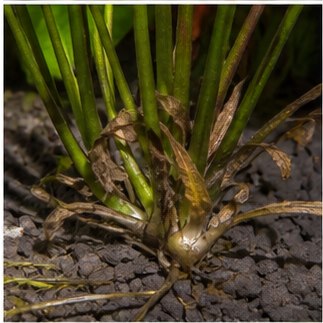 Disease profileGround in poor conditionRaising gas bubbles as soon as you dig with a stick; Plants with a puny silhouette; Conical and spiral snails no longer burst during the day; Low, rot...View
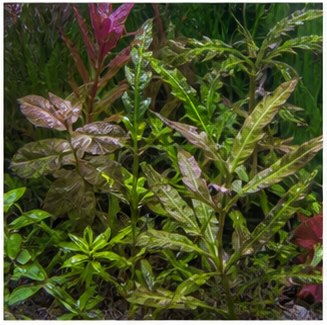 Disease profileUnsuitable temperatureIf the temperature is too high, the internoid spaces of the stem plants are exaggeratedly long and their leaves, small; Rosette plants are bad (these...View